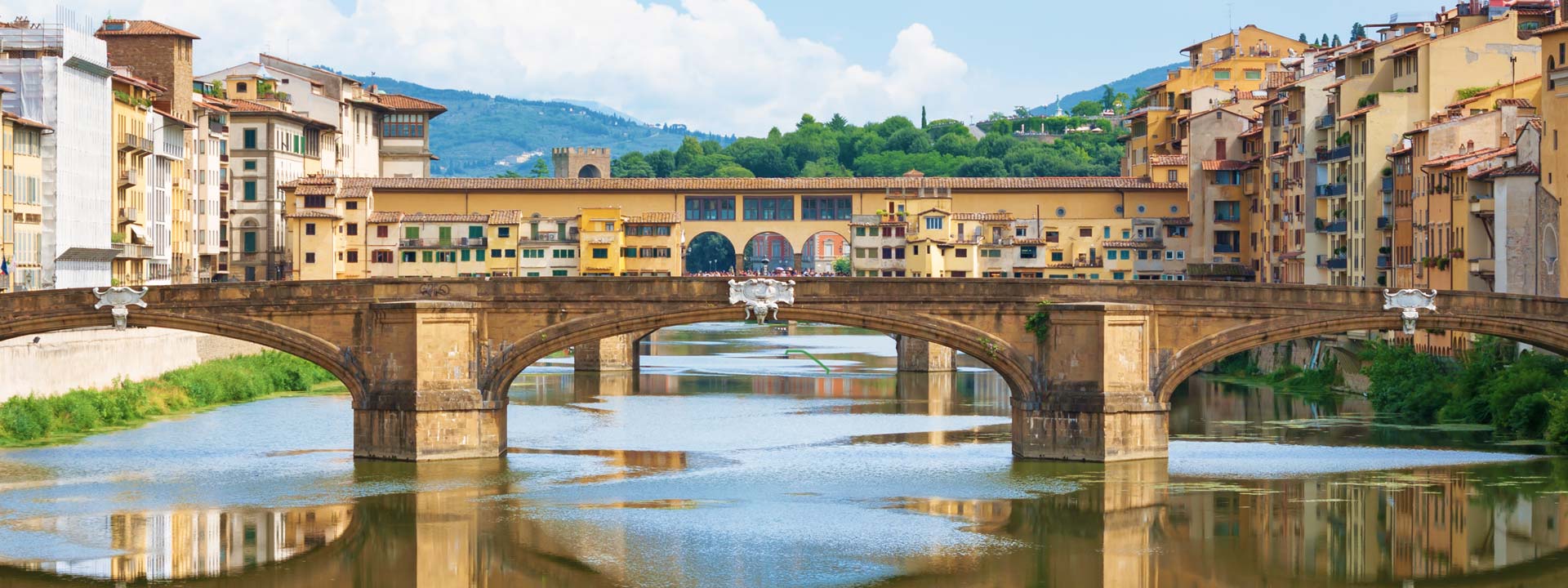
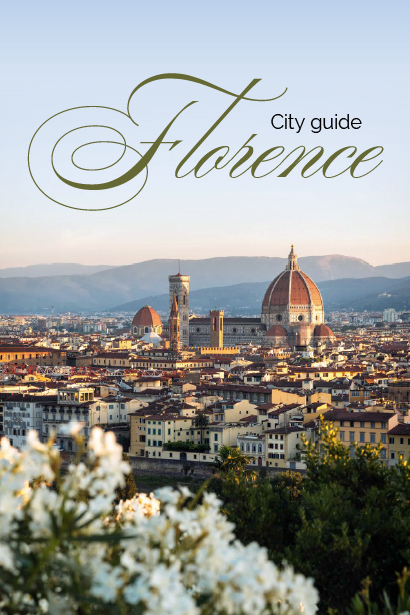
Cradled in the rolling hills of Tuscany and divided by the Arno River, Florence is a city where history, artistry and modern Italian life intertwine. The city is widely regarded as the birthplace of the Renaissance, where the likes of Michelangelo, Leonardo da Vinci, Botticelli and Brunelleschi transformed the worlds of art, architecture and science, leaving behind treasures that continue to define European culture centuries later. Yet, Florence is far from being a museum frozen in time. Behind its honey-colored palazzi and cathedral domes lies a city filled with contemporary energy. For new and seasoned travelers alike, it remains one of Europe’s most rewarding destinations — a city that seduces not through spectacle alone, but also through atmosphere, detail and timeless beauty.
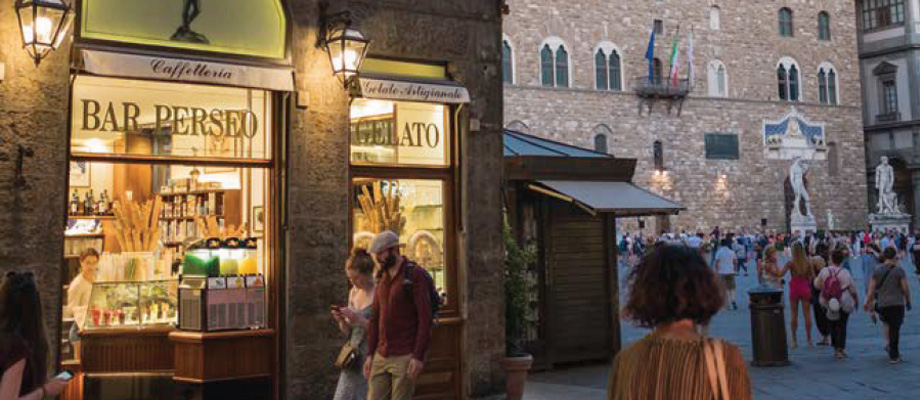
Bar Perseo in Piazza della Signoria
FOOD & DRINK
Florence may be celebrated for art, but its culinary scene is equally deserving of attention. Tuscan cuisine is famously uncomplicated, relying on simple yet exceptional local produce, olive oil, seasonal vegetables and quality meats rather than elaborate techniques or complex processes.
Mornings begin at elegant cafes where locals can be seen perched at marble counters enjoying a fortifying espresso beneath chandeliers and mirrored walls. Historic cafes such as Caffè Gilli and Rivoire on Piazza della Signoria remain institutions of daily Florentine life, serving pastries and thick Italian hot chocolate in settings that have barely changed for generations.
The city’s food culture revolves around tradition. Florentine steak — bistecca alla Fiorentina — is perhaps the region’s most iconic dish. Cut thick from prized Chianina cattle and cooked fairly swiftly over charcoal to keep the meat rare, it’s typically shared between diners and accompanied only by olive oil, beans or roasted potatoes. I’Brindellone is a great place to try it.
The city’s markets provide another essential glimpse into local life. Mercato Centrale, housed inside a magnificent 19th-century iron-and-glass building, offers everything from truffle-laced pecorino cheese and fresh pasta to wild boar salami and seasonal porcini mushrooms. Upstairs, contemporary food stalls introduce visitors to regional specialties in a more casual setting, while downstairs remains wonderfully authentic — the vast majority of traders have worked there for decades.
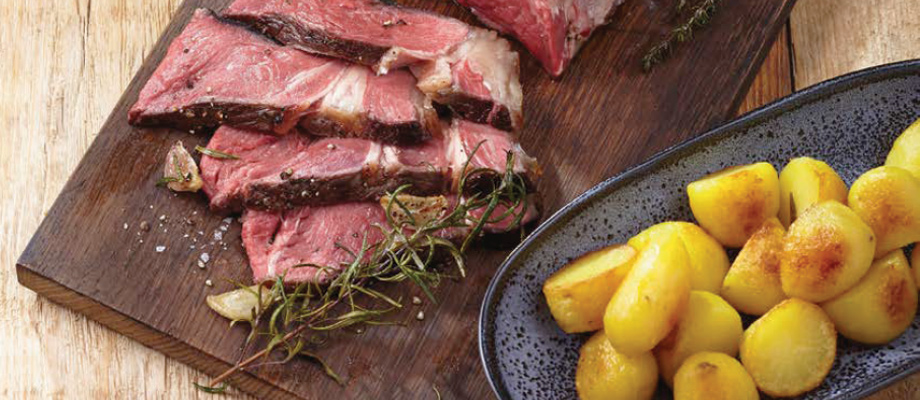
Bistecca alla Florentina
Wine plays a central role in Tuscan culture, and Florence sits close to some of Italy’s most prestigious vineyards. Chianti classico, brunello di bontalcino and other Tuscan wines appear on menus throughout the city. Exploring medieval laneways to find small, secluded wine bars and sample their vintages alongside cured meats and aged cheeses is time well spent.
One of Florence’s most charming traditions is the wine window, or buchetta del vino. These tiny arched openings carved into Renaissance palaces were historically used to sell wine directly to passersby. Many have recently reopened, offering glasses of chianti through centuries-old stone windows — a fun fusion of history and hospitality.
Florence’s contemporary dining scene is also flourishing, particularly in neighborhoods slightly removed from the main tourist areas. In San Niccolò, one of the city’s prettiest districts beneath Piazzale Michelangelo, Floret has become a favorite for elegant breakfasts, seasonal lunches and beautifully presented aperitivi served in a garden-like setting filled with flowers and soft natural light. Nearby, Melaleuca Florence brings an Antipodean influence, pairing specialty coffee with refined brunch dishes and freshly baked pastries that have earned a loyal following among locals and international visitors alike.
Luxury dining in Florence has evolved significantly in recent years. Michelin-starred restaurants now reinterpret Tuscan classics with contemporary flair, while still honoring regional ingredients. Enoteca Pinchiorri is a must for the Michelin crowd. Yet some of the city’s most memorable meals are found in unassuming trattorias where menus change daily and recipes have been passed down through the generations.
No visit is complete without gelato. Florentines take their gelato seriously, favoring natural colors and seasonal flavors over towering artificial displays. Pistachio, fig and ricotta and dark chocolate infused with Tuscan olive oil are among the city’s more sophisticated offerings.
Dining is never rushed. Meals often last hours, accompanied by animated conversation, careful perusal of the wine list and close scrutiny of the menu. For visitors, it becomes less about eating and more about participating in the rhythm of the city itself.
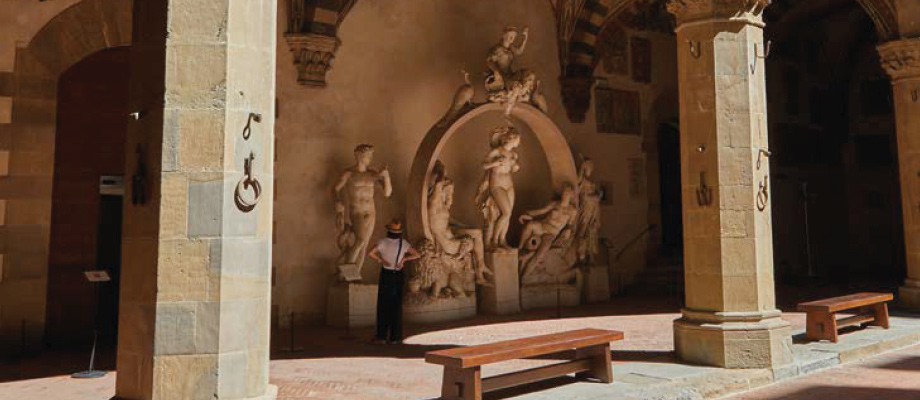
The 13th-century Palazzo del Bargello
HISTORY
Founded by the Romans in 59 BCE, Florence flourished during the medieval period as a banking and trading center. By the 15th century, it was one of Europe’s most powerful cities under the influence of the Medici family, whose immense wealth financed artistic and intellectual innovation on an unprecedented scale.
Walking through Florence today feels like moving through a living history book. The Duomo, the Cathedral of Santa Maria del Fiore, dominates the skyline with Brunelleschi’s revolutionary terracotta dome. Completed in 1436, the engineering remains a feat even by modern standards. Climbing to the top rewards visitors with views across terracotta rooftops and the Tuscan hills beyond.
Nearby, Piazza della Signoria remains the political heart of Florence. This elegant square has witnessed centuries of triumph, conspiracy and upheaval. Statues stand like open-air history lessons, including a replica of Michelangelo’s David outside Palazzo Vecchio, Florence’s fortress-like town hall.
Crossing the Ponte Vecchio offers another encounter with Florence’s layered past. Spanning the Arno River, the 14th-century bridge is lined with jewelry shops. Hidden above them is the Vasari Corridor, a secret elevated passageway built for the Medici rulers to move discreetly between palaces.
Yet Florence’s history isn't solely grand or glamorous. The city has endured political turmoil, religious extremism and devastating natural disasters — most notably the catastrophic flood of 1966 that damaged countless artworks and manuscripts. The international restoration effort that followed became one of the largest cultural preservation projects in history.
One of the city’s greatest strengths is the way history naturally integrates into daily life. Residents still gather in centuries-old piazzas, church bells ring out across the city and artisans continue to practice traditional crafts in workshops tucked behind ancient facades. Rather than preserving the past behind glass, Florence lives within it.
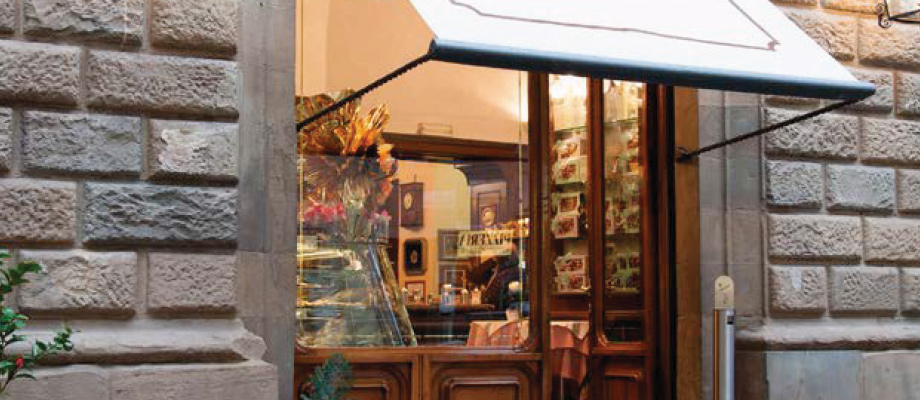
Caffè Rivoire in Piazza della Signoria Square
SHOPPING
While Milan may dominate modern Italian fashion, Florence remains the spiritual home of artisanal luxury. Elegant boutiques line Via de’ Tornabuoni, Florence’s premier luxury shopping street, where flagship stores from Italian fashion houses occupy grand Renaissance palaces. Gucci, Ferragamo and Pucci all share Florentine roots, and their influence continues to shape the city’s refined aesthetic.
Yet Florence is at its best when visitors venture beyond the global labels. The Oltrarno district, located across the Arno River, remains a haven for artisans and traditional workshops. Here, leather makers, jewelers, bookbinders and perfumers continue centuries-old practices with skilled dedication.
Florentine leather goods are particularly prized. Handcrafted bags, belts and jackets can often be commissioned directly from workshops. San Lorenzo Market offers a vast range of leather goods and local products in a lively atmosphere, though discerning visitors may prefer to visit smaller artisan ateliers, where craftsmanship and authenticity are easier to verify.
Goldsmithing also holds a special place in Florence’s identity. The Ponte Vecchio’s jewelry stores continue a tradition dating back hundreds of years, displaying intricate gold pieces that sparkle against the medieval stone bridge.
For enthusiasts of interiors, Florence offers exceptional homewares and decorative arts inspired by Tuscan design traditions. Think hand-painted ceramics, fine linens and marbled paper products that make for elegant souvenirs with a deep connection to their place of manufacture.
Florence’s influence extends into fragrance as well. The Officina Profumo-Farmaceutica di Santa Maria Novella, one of the world’s oldest pharmacies, is still producing perfumes, soaps and herbal remedies inspired by Renaissance formulas today. Stepping inside feels like entering another century, with frescoed ceilings and antique cabinetry framing beautifully packaged products.
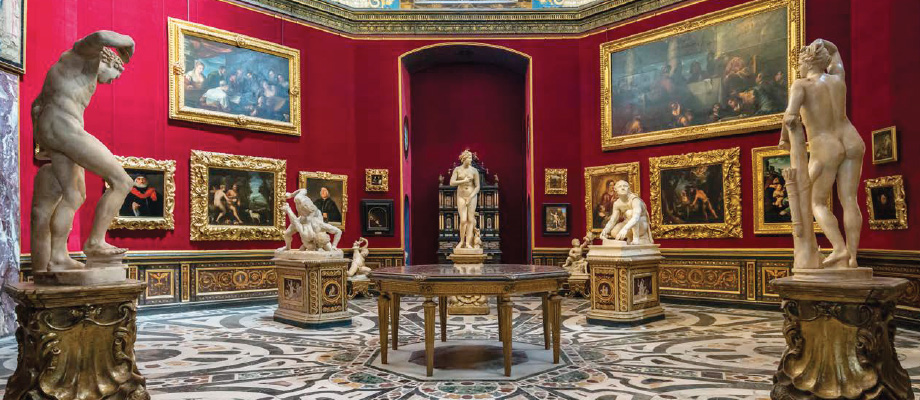
Uffizi Gallery
ART & MUSEUMS
Few cities in the world rival Florence when it comes to artistic significance. The city is effectively an open-air museum, where masterpieces appear around almost every corner as you stroll the streets.
The Uffizi Gallery remains Florence’s crown jewel. Housing works by Botticelli, Leonardo da Vinci, Raphael and Caravaggio, it offers one of the most important art collections in Europe. Botticelli’s The Birth of Venus and Primavera alone justify the visit, though the building itself, designed by Giorgio Vasari, is equally impressive.
The Accademia Gallery draws visitors from around the world for Michelangelo’s David. Standing more than 16 feet tall, the sculpture possesses an emotional intensity that photographs fail to capture. Seeing it in person is often described as a genuinely moving experience.
Florence’s churches also act as extraordinary galleries. Santa Croce contains the tombs of Michelangelo, Galileo and Machiavelli, while Santa Maria Novella showcases magnificent frescoes and gothic architecture. Even modest chapels often conceal Renaissance treasures.
The Palazzo Pitti, once the residence of the Medici family, provides another glimpse into aristocratic Florence. Its lavish rooms, filled with paintings and decorative arts, open onto the magnificent Boboli Gardens, where elegant fountains, statues and shaded pathways overlook the city.
Alongside Florence’s Renaissance treasures, contemporary culture continues to thrive. Palazzo Strozzi has emerged as one of Italy’s leading cultural institutions, hosting major international exhibitions within a striking Renaissance palace in the heart of the city. Recent blockbuster shows dedicated to artists ranging from Olafur Eliasson to Anish Kapoor have brought a fresh creative energy to Florence, attracting visitors who appreciate both classical masterpieces and contemporary art.
Beyond the major institutions, Florence rewards slower exploration. Tiny museums dedicated to specific crafts, sculpture or religious art often provide unexpectedly intimate experiences. Contemporary galleries are also beginning to thrive, particularly in the Oltrarno district, where younger artists and curators are reshaping Florence’s cultural conversation.
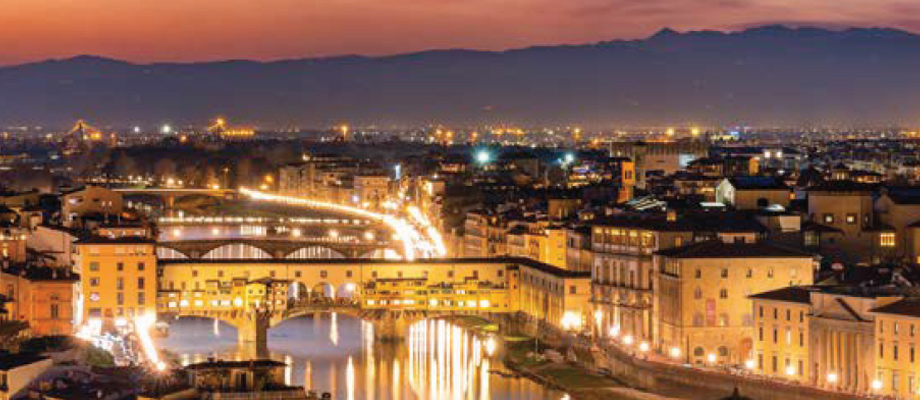
The view from Piazzale Michelangelo at sunset
NIGHTLIFE
Florence’s nightlife is sophisticated rather than frenetic, favoring atmosphere and elegance over excess. Aperitivo culture defines the early evening. Rooftop terraces at hotels like the Continentale are particularly popular, offering sweeping views of illuminated domes and church towers as the sun sets.
The city’s wine bars provide another distinctly Florentine experience. Candlelit enotecas like Il Santino tucked into medieval buildings invite leisurely tastings of regional wines paired with local delicacies. Furthermore, many of Florence’s luxury hotels have elegant cocktail lounges — the perfect place for a classic negroni, invented in Florence over a century ago.
Live music is woven throughout the city’s cultural life. Opera performances, chamber concerts and jazz evenings regularly take place within historic churches, theaters and intimate clubs. During summer, outdoor events spill into piazzas and gardens.
Night walks are among Florence’s greatest pleasures. Illuminated bridges reflect across the Arno River, quiet alleyways echo softly with footsteps and the Duomo glows dramatically against the night sky. It's the ideal time to experience Florence at its most romantic.
Writer: Nardia Plumridge


