Cruise ships come in a variety of styles and sizes — from intimate, yacht-like ships to large, floating resorts. Some focus on luxurious amenities and upscale dining, while others provide a wide and dazzling array of onboard activities and entertainment options. So where does expedition cruising to far-off destinations like Antarctica or the Galápagos Islands fit into all this? Here, we take a look at how expedition cruises compare to traditional cruising.
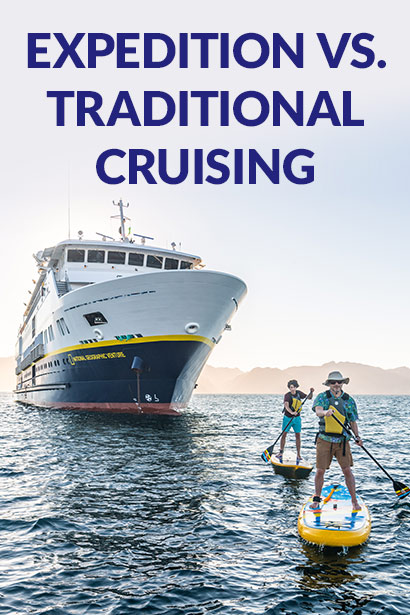
A small-ship expedition is an immersive exploration designed around discovery, flexibility and meaningful experiences. Unlike traditional cruises that follow fixed itineraries, expedition voyages prioritize time in nature, wildlife encounters and authentic cultural connections. Every day is shaped by the conditions, allowing the expedition team to take advantage of unexpected wildlife sightings and shifts in the weather. Be it launching a kayak or paddleboard from the back of the ship or embarking on a Zodiac adventure the second the ship anchors, expedition cruises provide a certain nimbleness to your excursions.
What Makes Expedition Cruises Unique?
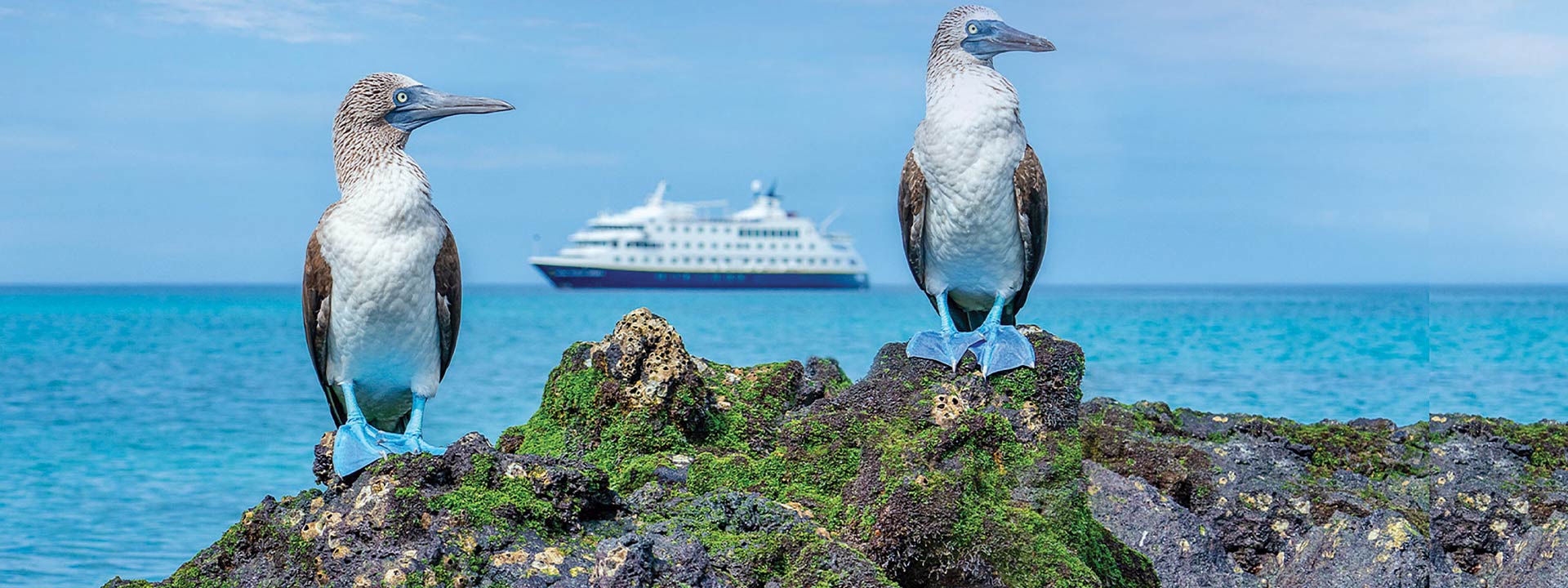
- Access to places larger ships can’t reach: Small expedition ships navigate narrow fjords, remote coastlines and protected waterways, using Zodiacs to land in places inaccessible to traditional cruise ships.
- Exploration comes first: Days are not dictated by a rigid schedule. Routes and activities can change based on wildlife, weather, sea ice or unique opportunities, making every voyage different and giving guests the best possible experience.
- Expert-led experiences: Marine biologists, naturalists, historians, geologists, photographers and cultural specialists travel alongside you, transforming every Zodiac cruise, hike and wildlife encounter into an engaging learning experience.
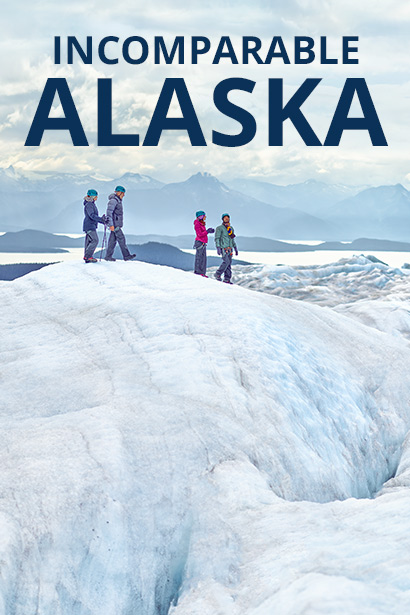
- Wildlife up close: Whether watching whales surface beside a Zodiac, observing penguins in Antarctica, spotting polar bears in the Arctic or encountering bears in Alaska, guests experience wildlife in its natural habitat — not from a distant viewpoint.
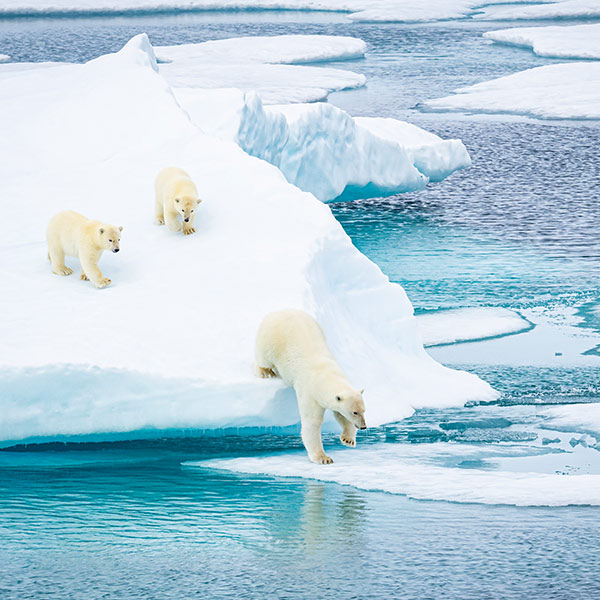
Mother Polar Bear and Cubs in Nanavut, Canada
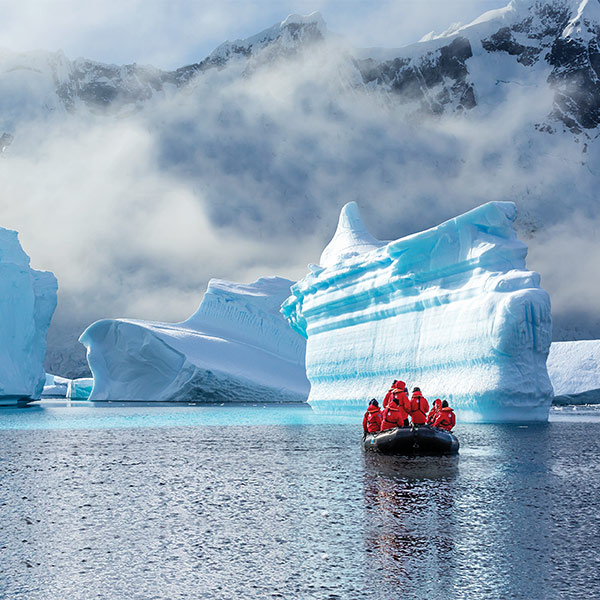
Zodiac Excursion at Antarctica Booth Island
- Active exploration included: Rather than purchasing optional shore excursions, guests enjoy included activities such as Zodiac cruises, guided hikes, kayaking, paddleboarding, snorkeling, snowshoeing or cross-country skiing, depending on the destination.
- Authentic cultural connections: Expeditions visit small communities where guests meet local residents, learn about regional traditions, enjoy cultural performances and experience destinations through meaningful exchanges.
- Purposeful travel: Expedition travel is rooted in conservation and responsible exploration. Through partnerships with scientists, local communities and organizations like National Geographic, guests gain a deeper understanding and appreciation of the places they visit.
- Comfort without distraction: Modern expedition ships offer inviting accommodations, excellent dining, wellness amenities and comfortable public spaces — but the destination is always the main attraction. The ship is a basecamp for exploration, not the destination itself.
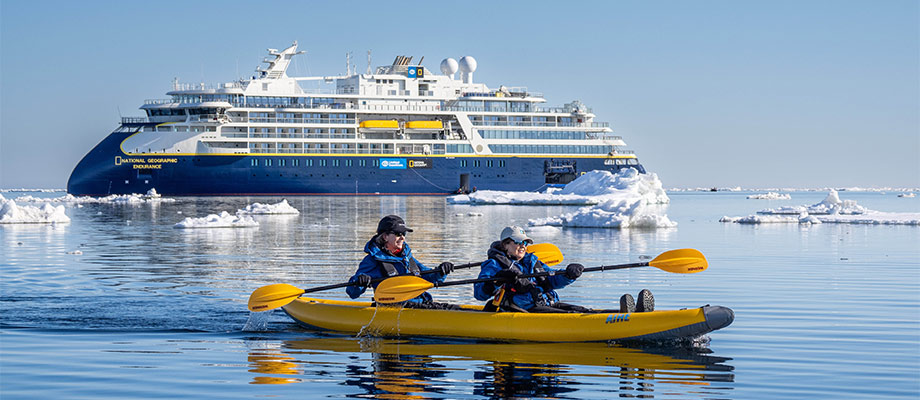
Kayaking Svalbard Edge Island
National Geographic-Lindblad Expeditions
When it comes to expedition cruising, our travel agency often recommends National Geographic-Lindblad Expeditions. For more than 20 years, National Geographic and Lindblad Expeditions have collaborated to connect curious travelers with the world around them. Together, they offer over 100 expedition cruises in more than 70 countries on all seven continents. Our cruise specialists know these destinations well, so contact us at any time for more information.